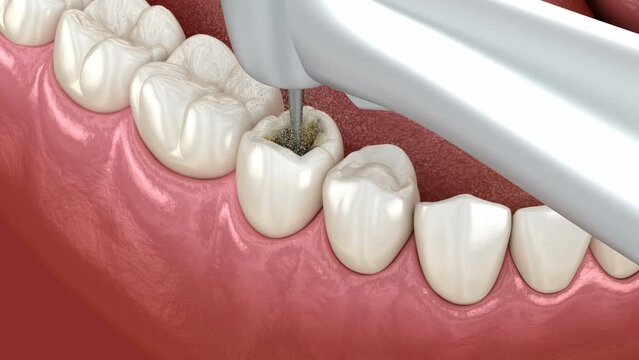
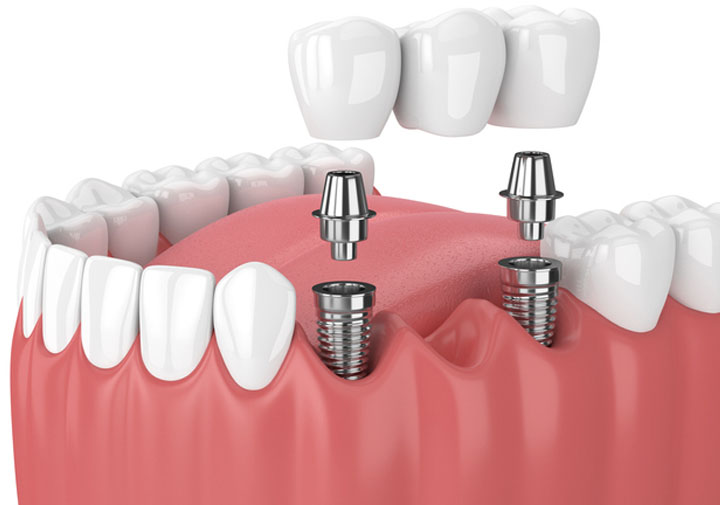
After receiving a dental crown or bridge, proper care is essential for a comfortable recovery and the long-term success of your new restoration. At Dyer Dental Care, we want to provide you with clear, straightforward instructions to help you navigate the next few days and weeks. This guide explains what to expect and how to care for your mouth while you have your temporary restoration.
Immediately After Your Appointment
The most immediate sensation you’ll experience is numbness from the local anesthetic. Your tongue, lips, and the roof of your mouth will likely feel numb for a few hours. This is a normal part of the process, but it requires caution.
Until the numbness completely disappears, you must refrain from eating or drinking hot beverages. Without full sensation, it’s easy to bite your cheek, tongue, or lip without realizing it, which can cause painful injuries. Hot drinks can also burn your mouth, and you won’t feel the temperature until the anesthetic wears off. If you need a drink, stick to cool or room-temperature water.
Caring for Your Temporary Crown or Bridge
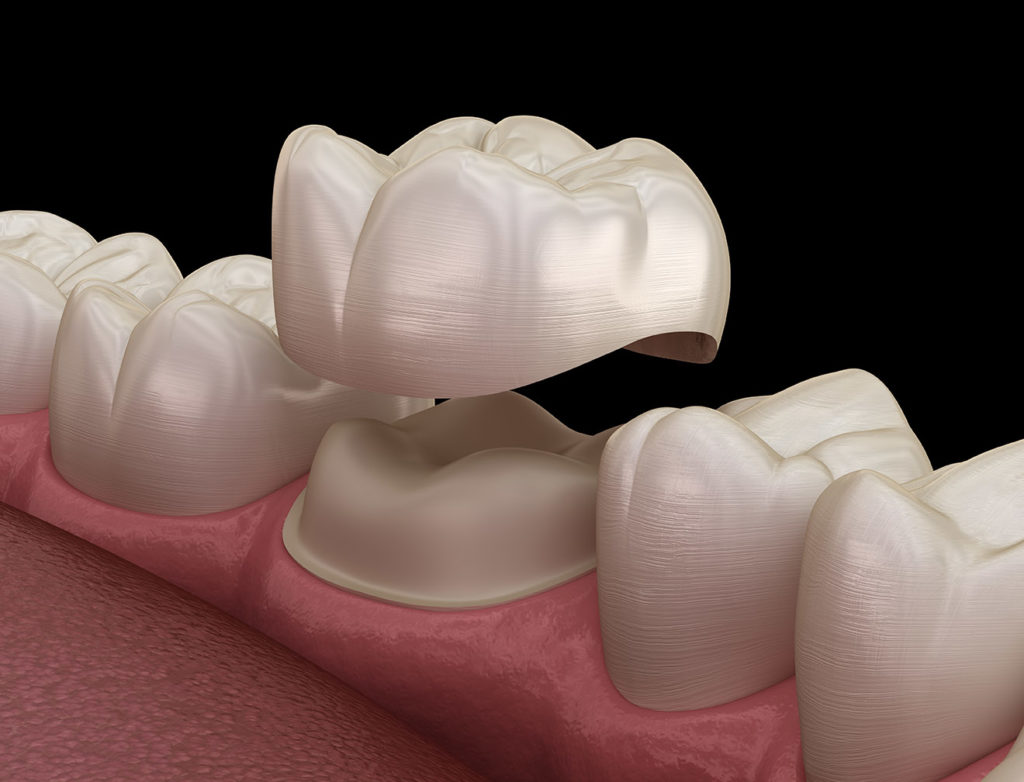
While your permanent, custom-fit restoration is being made by the dental lab, a temporary crown or bridge is placed on the prepared tooth. This temporary piece is more than just a placeholder; it serves several critical functions. It protects the exposed tooth structure from sensitivity, prevents bacteria from entering, and most importantly, it stops your other teeth from shifting. Even a slight movement of adjacent teeth could prevent your final crown from fitting correctly.
Because these temporaries are meant to be removed, they are not secured with the same strong cement as your final restoration. This means you need to treat them with special care to avoid problems.
Your Diet: What to Eat and What to Avoid
For the first 24 hours, stick exclusively to soft foods. This allows the temporary cement to set properly and gives your gums and tooth time to settle. After that initial period, you will still need to be mindful of your food choices.
Avoid hard and crunchy foods at all costs. Items like nuts, hard candies, popcorn, and ice cubes can easily crack or break the temporary acrylic material. Sticky foods are also a major threat. Chewing gum, caramel, taffy, and other chewy candies can latch onto the temporary and pull it off.
A List of Safe and Soft Foods:
Here are some excellent food choices that are safe for your temporary restoration:
- Jell-O
- Apple Sauce
- Greek Yogurt
- Scrambled Eggs
- Mashed Potatoes
- Oatmeal
- Cooled Soup
- Macaroni & Cheese
- Ice Cream
- Pudding
- Finely Chopped Chicken
- Ground Beef
If your temporary crown is on one of your front teeth, you will need to change how you bite into food. Avoid biting directly into things like sandwiches, apples, or pizza crust. The pulling motion can easily dislodge the temporary. Instead, cut all food into small, manageable pieces and use your back teeth for chewing.
Oral Hygiene with a Temporary Restoration
Maintaining excellent oral hygiene is crucial for preventing gum inflammation and ensuring a healthy environment for your final crown. You should continue to brush regularly, but be gentle around the temporary restoration.
Flossing requires a special technique to prevent dislodging the temporary. Do not pull the floss up and out from between the teeth as you normally would. This upward motion can catch the edge of the temporary and pop it off.
The Correct Way to Floss:
- Gently guide the floss down between the teeth.
- Clean the sides of the teeth and the area near the gum line.
- To remove the floss, let go of one end and carefully pull it through the space from the side.
Managing Sensitivity and Discomfort
It is completely normal to experience some sensitivity to temperature and pressure after your procedure. The tooth has been worked on, and the nerve may be slightly irritated. This feeling should gradually fade and usually subsides a few weeks after your permanent restoration is placed.
To manage any discomfort, over-the-counter pain medication like ibuprofen can be effective. It helps reduce both pain and inflammation.
If your gums feel sore or become irritated around the temporary crown, a simple saltwater rinse can provide relief. This rinse helps to clean the area and soothe inflamed tissue. Mix half a teaspoon of salt into half a cup of warm water. Swish with this solution four times a day until the tenderness improves.
What to Do if Your Temporary Comes Off
Even with careful attention, a temporary restoration can sometimes come loose or break. If this happens, please contact our office as soon as possible. Do not leave the tooth exposed. Without its protective covering, the tooth can become extremely sensitive, and there is a risk of other teeth shifting, which would compromise the fit of your final crown.
We will arrange to have you come in so we can recement or repair it. Never attempt to use household glues to reattach it, as these substances are toxic and can cause permanent damage to your tooth.
When to Contact Our Office
While some mild discomfort is expected, you should not be in significant pain. If your pain becomes progressively worse, is not managed by medication, or you experience more than mild discomfort, please contact our office. We want to ensure your healing process is as smooth and comfortable as possible.